



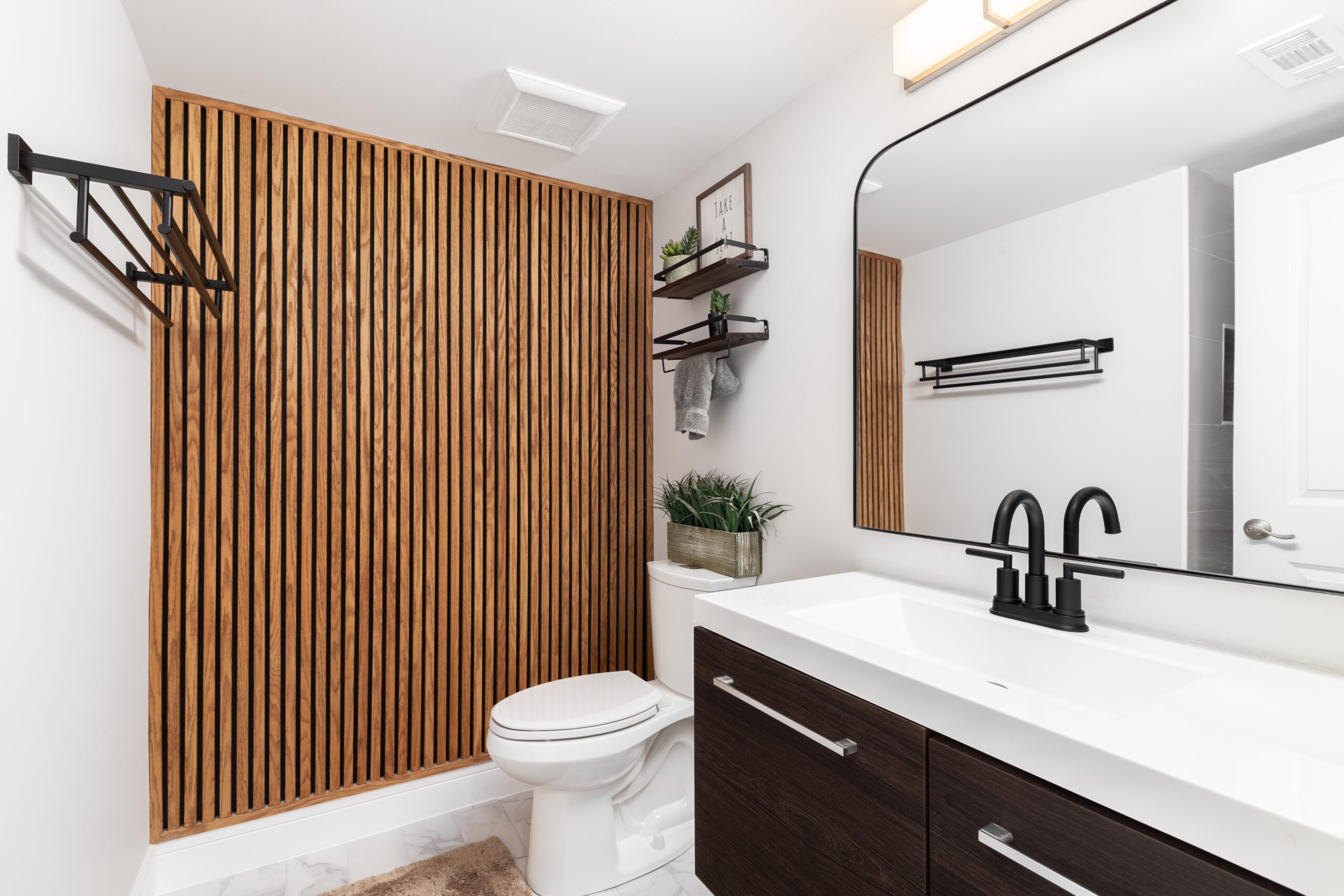

So, what will it cost to update that bathroom that you’ve been dreaming of? Whether you want a total gut renovation or a minor facelift, knowing the bathroom remodeling average cost will help you budget properly and avoid surprises down the line. From the vanity to the lighting, we’re breaking down every dollar so you can renovate with confidence.
What You’re Looking At: The Real Numbers
Here’s the truth: bathroom renovations don’t follow a one-size-fits-all price tag. Homeowners will sink approximately $15,000 for a bathroom refit. If you want a smaller bathroom refresh, expect the average price to be $3,000. Your final number dances to the tune of space size, material choices, and how extensively you’re willing to tear things apart.
Think of it this way—your bathroom remodel average cost reflects three major players: materials, labor, and those pesky permits that keep everything above board.
Breaking Down the Spending: Where Your Dollars Go
Materials: The Foundation of Your Budget
As expected, materials span the largest portion of any remodel, and that means $1,000 to $5,000 worth of stuff. This includes everything from porcelain tiles to chrome faucets. Recent tariffs on imports of tiles and fixtures have increased their prices by 5 to 7 percent, making it more reasonable to buy domestic products.
Consider these typical material investments:
Floor and wall tiles: $500-$2000, depending on square footage and quality.
Vanities and countertops: $300-$1,800 for standard options
Shower and tub: $600-$2,000, with prefab units offering cost-effective solutions
Labor: The Invisible Price Tag
Skilled tradespeople command 30-50% of your total project budget. Plumbers, electricians, and general contractors bring expertise that prevents costly mistakes, but their services come at varying rates depending on your location. Urban centers like San Francisco or New York City see labor costs soar 25% higher than rural areas, where the same bathroom renovation might cost $8,000-$10,000 compared to a metropolitan $15,000-plus.
Current supply chain hiccups have extended project timelines, adding a 10-15% premium on labor costs compared to previous years. Plan accordingly and build buffer time into your schedule.